





Railway workers operate in some of the most demanding environments, whether that involves maintaining tracks, operating trains or managing station safety. Having the right railway clothing is essential to ensure safety, compliance, durability and comfort in high-risk conditions.
Strict industry regulations and the need for long-lasting, protective garments require careful consideration when choosing the best railway workwear. This guide explores the key factors to consider when selecting railway clothing, helping you make informed decisions for your workforce.
Key takeaways
Compliance is critical: Choose garments meeting standards such as RIS-3279-TOM (UK rail hi vis), EN ISO 20471 (visibility) and EN ISO 11612 (heat and flame) to protect workers and avoid regulatory issues.
Durability matters: Opt for reinforced seams, ripstop and waterproof fabrics resistant to oil and dirt to withstand harsh railway environments and minimise replacements.
Comfort promotes performance: Look for breathable, moisture wicking materials, stretch panels, adjustable fits and lightweight insulation to reduce fatigue and boost efficiency during long shifts.
Plan for the full lifecycle: Evaluate long term value including wash cycle ratings, replacement scheduling and branding, and partner with a supplier who can verify compliance and hold your details for reordering.
Why railway clothing matters
The rail industry has strict safety regulations that require workers to wear high visibility and protective clothing to reduce the risk of accidents. Whether it is track maintenance crews working in low visibility conditions or drivers and engineers needing flame resistant garments, the right railway clothing ensures:
- Worker safety: Protection from hazards such as moving trains, extreme weather and fire risks.
- Regulatory compliance: Meeting required safety standards to avoid delays, refusals and penalties.
- Durability: Withstanding tough working conditions without frequent replacements.
- Comfort: Enabling staff to work efficiently without discomfort or restricted movement.
- Now let us break down the key factors when choosing railway workwear.
-
Compliance with railway safety standards
Railway clothing must meet strict safety standards to protect workers. The key standards include:
RIS-3279-TOM (UK standard for rail hi vis clothing)
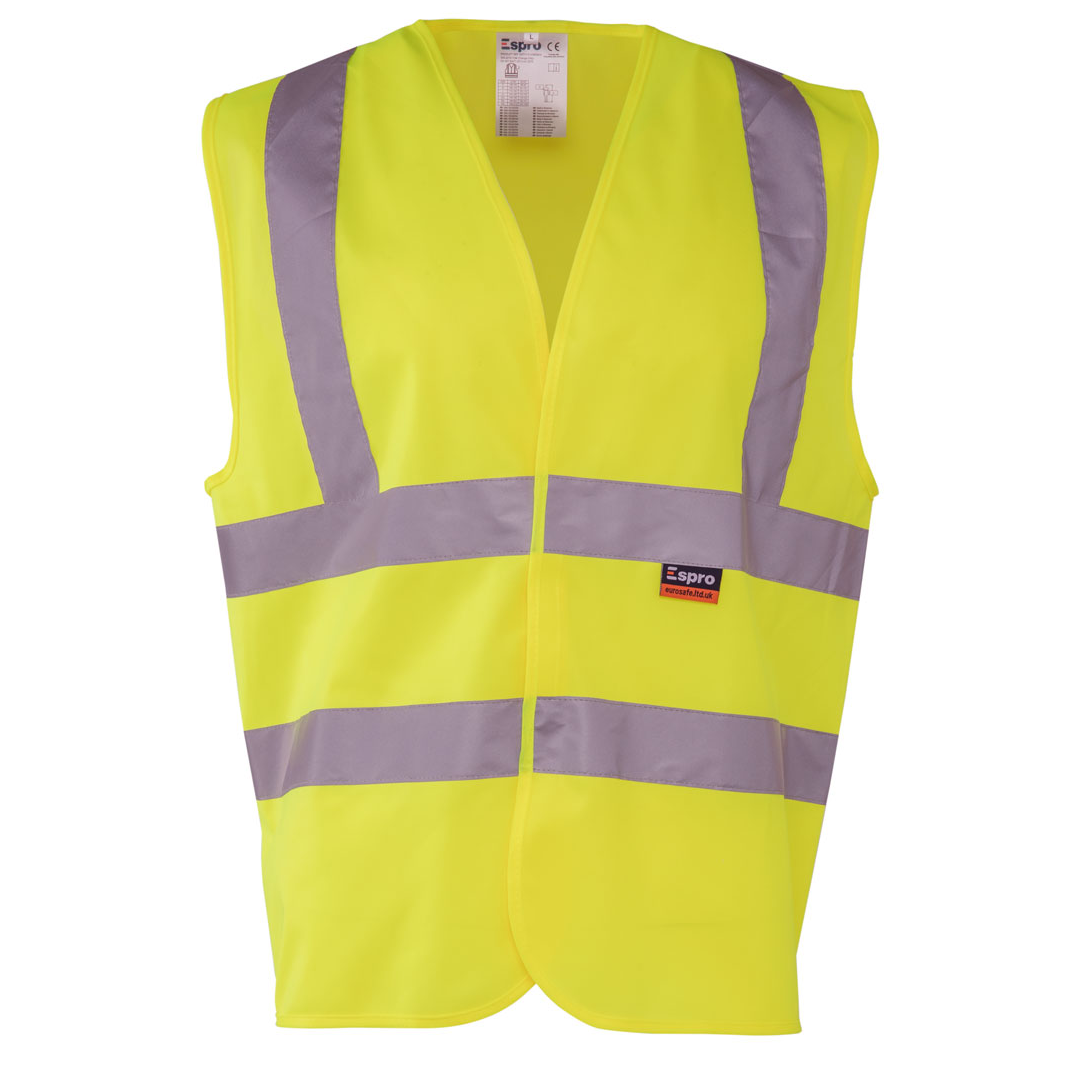
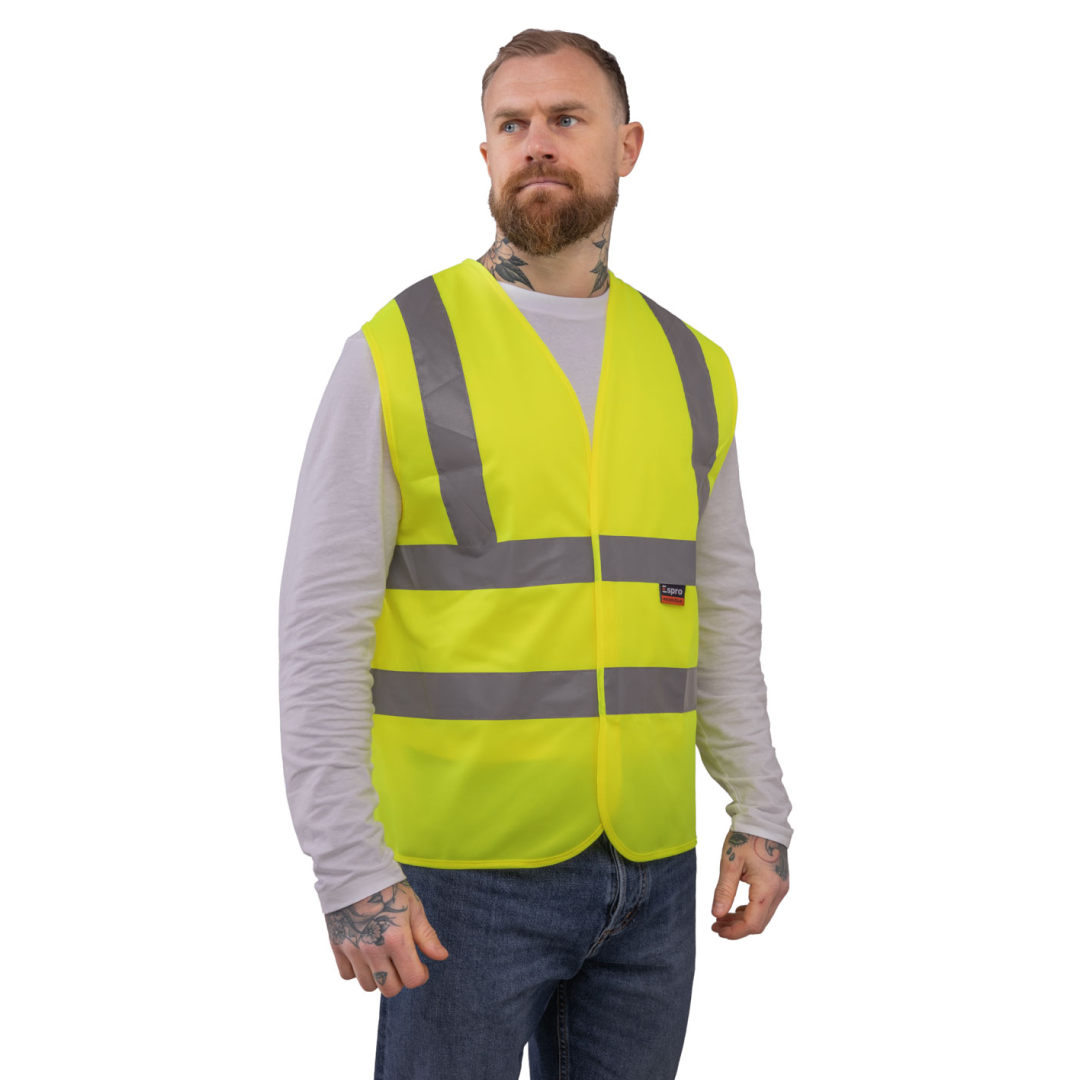
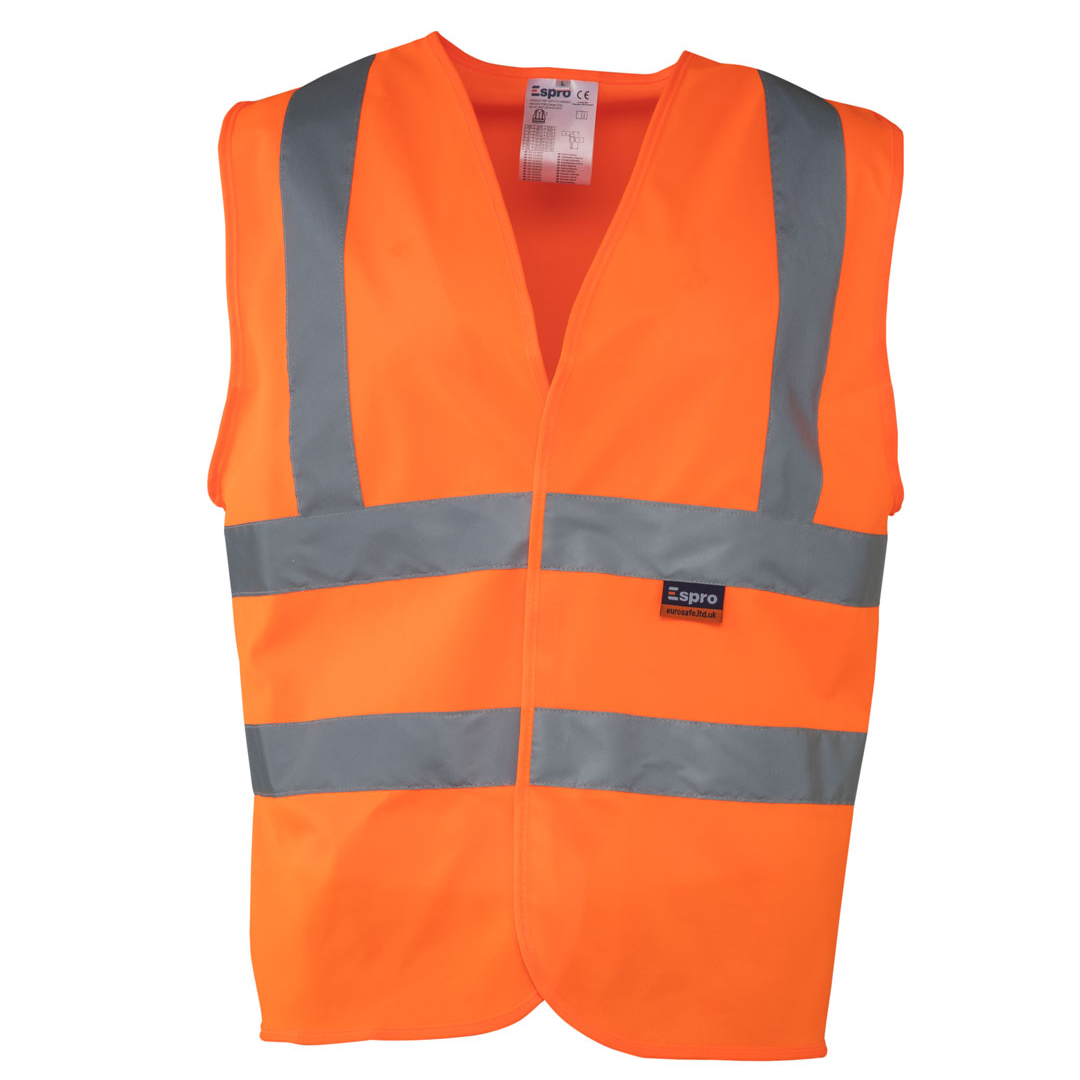
- Requires high visibility orange garments rather than the yellow used in general hi vis.
- Sets where retroreflective tape must sit so workers stay visible in all lighting conditions.
- Requires garments to carry certification marking on the label. Unmarked kit will not be accepted on Network Rail infrastructure.
- Replaced GO/RT 3279, so any garment or paperwork quoting the old standard is out of date.
EN ISO 20471 (European standard for hi vis workwear)
- Specifies the requirements for high visibility clothing in low light and high risk environments.
- Sets the class system based on how much fluorescent fabric and retroreflective tape a garment carries.
- Meeting this standard alone is not enough for rail. Rail garments work within it, but RIS-3279-TOM is the one that clears you for the line.
EN ISO 11612 (heat and flame protection)
- Essential for drivers, engineers and maintenance crews working in fire risk environments.
- Protects against heat and flame exposure, reducing the risk of burns and injuries.
- Requires FR compatible thread if the garment is embroidered.
One point worth flagging: Compliance is judged across the whole outfit, not the jacket alone. Upper body garments must reach the required class in their own right, and trousers must carry their own banding. An orange polo worn with plain navy work trousers will not pass.
Ensuring your railway workwear meets these standards is non negotiable when choosing a supplier.
-
Prioritising durability and fabric quality
Rail workers face harsh conditions daily, including rain, mud, grease and constant wear. Investing in durable railway clothing reduces replacement costs and ensures long term protection.Look for:
- Reinforced seams and bar tacking: Prevents tearing at pocket corners, knees and other high stress areas.
- Ripstop fabrics: Resistant to tears and punctures.
- Taped waterproof seams: A shower resistant finish alone will leak at the shoulders within a shift.
- Oil and dirt resistant finishes: Lets grease and ballast dust wash out rather than setting in. Heavily stained hi vis fails on contamination long before it wears out.
- Durability keeps railway clothing effective for longer and reduces how often you reorder.
-
Comfort and fit for long shifts
Rail workers endure long shifts in demanding conditions, which makes comfort a genuine safety factor. Poorly fitted clothing leads to:
- Reduced mobility
- Decreased productivity
- Worker fatigue
- Garments left undone or left off, which costs you compliance
When selecting railway workwear, look for:
- Breathable fabrics: Moisture wicking materials that keep workers dry. Avoid heavy cotton against the skin.
- Articulated knees and elbows: Essential for climbing and kneeling.
- Stretch panels and gusseted crotches: Enhances movement and flexibility.
- Adjustable cuffs and waistbands: Customisable fit that keeps weather out.
- Lightweight insulation: Keeps workers warm without adding bulk.
- Ladies fit options: Unisex sizing fits nobody properly and can leave garments riding up over the banding.
- Size over layers rather than to a bare chest measurement. Outerwear worn over a fleece and base layer needs the room to work.
-
Layering correctly through the seasons
Shifts swing between hard physical work and long waits. One heavy coat cannot handle both.
- Base layer: Wicks moisture away from the skin. Synthetic or merino.
- Mid layer: Traps warmth. Fleeces and body warmers, with the body warmer leaving arms free for tool work.
- Outer layer: Stops wind and rain.
The mistake that catches teams out is pulling a plain waterproof over compliant hi vis when the weather turns. The moment an uncertified layer goes on top, the outfit fails. Every layer that might end up as the outermost garment needs to be certified in its own right.
-
Cost effectiveness and long term value
Railway clothing is an investment. Cheaper options fade and wear out faster, leading to higher replacement costs. Rather than focusing on the price at the till, consider:
Wash cycle rating: Every certified garment carries a maximum number of washes on the label, and it varies by fabric and manufacturer. Work out cost per wash rather than cost per unit.
Replacement scheduling: Hi vis stops being compliant once the fluorescence fades or the tape begins to crack. Run a quarterly kit check and budget a replacement cycle rather than reacting before an inspection.
Stock levels: Three upper body garments per person means one on, one in the wash, one clean. Underordering here leads to people working in dirty kit.
Balancing cost with quality and durability delivers better long term value than buying on price alone.
-
Branding your workwear without losing compliance
Branded kit identifies your team on site, keeps your name in front of the client and reduces losses at the end of a job.
It must not compromise the garment. Logos cannot break the retroreflective banding or cover enough fluorescent fabric to drop the class, so placement is set by the garment rather than by preference.
Always confirm placement against the certification before committing to a run.
-
Choosing a reliable railway clothing supplier
Partnering with a trusted workwear supplier ensures your workforce receives compliant, well made clothing. When evaluating suppliers, ask:
- Do they supply RIS-3279-TOM certified workwear, and can they show the marking?
- Are they a BSIF Registered Safety Supplier?
- Can they brand garments within permitted areas without affecting certification?
- Will they hold your sizes and artwork on file for repeat orders?
- What are the lead times on branded stock?
- If a supplier hesitates on the first two questions, keep looking.
- The right railway clothing makes all the difference
Choosing railway clothing is about more than ticking a compliance box. It is about protecting workers, keeping shifts running and making sure the kit still performs at the end of the season.
By considering certification, durability, comfort, layering, lifecycle cost and supplier reputation, you can equip your railway workforce with confidence.
GS Workwear is a BSIF Registered Safety Supplier, ISO 9001 and ISO 14001 accredited. We only stock PPE we can stand behind, from brands that certify properly. Trade accounts get volume pricing, consolidated invoicing and your details held on file so reordering takes one call.
Browse our rail certified workwear range.


